

أبحاث الشعيرات الاصطناعية: الجامعات تطور خيوط الجيل التالي
Next-Gen Synthetic Bristles: University Research Pushes Filament Innovation
في مجال العناية الشخصية، والتنظيف الصناعي، والأدوات الطبية، كانت الشعيرات الاصطناعية منذ فترة طويلة بمثابة قوة عمل، وتقدر بمتانتها، وفعاليتها من حيث التكلفة، وتعدد الاستخدامات. ومع ذلك، مع ارتفاع طلب المستهلكين على الاستدامة والأداء والسلامة، تواجه الخيوط الاصطناعية التقليدية - المستمدة غالبًا من مواد بلاستيكية غير قابلة للتحلل مثل النايلون أو البوليستر - تدقيقًا متزايدًا. ادخل إلى مختبرات الأبحاث الجامعية، حيث يقوم العلماء بدور رائد في الجيل التالي من الشعيرات الاصطناعية التي تعيد تعريف ما يمكن أن تفعله هذه الشعيرات الصغيرة.
At the Massachusetts Institute of Technology (MIT), a team led by materials science professor Dr. Elena Marchenko is focusing on nanotechnology to enhance bristle functionality. Their recent work, published in Advanced Materials, introduces a "nano-engineered coating" for synthetic filaments. By depositing a thin layer of zinc oxide nanops onto polypropylene bases, the team has created bristles with 99.8% antibacterial efficacy—critical for applications like medical brushes or facial cleansing tools. "Traditional synthetic bristles can harbor bacteria in micro-grooves," Dr. Marchenko explains. "Our coating not only kills microbes but also reduces friction, making the bristles softer and more gentle on skin."
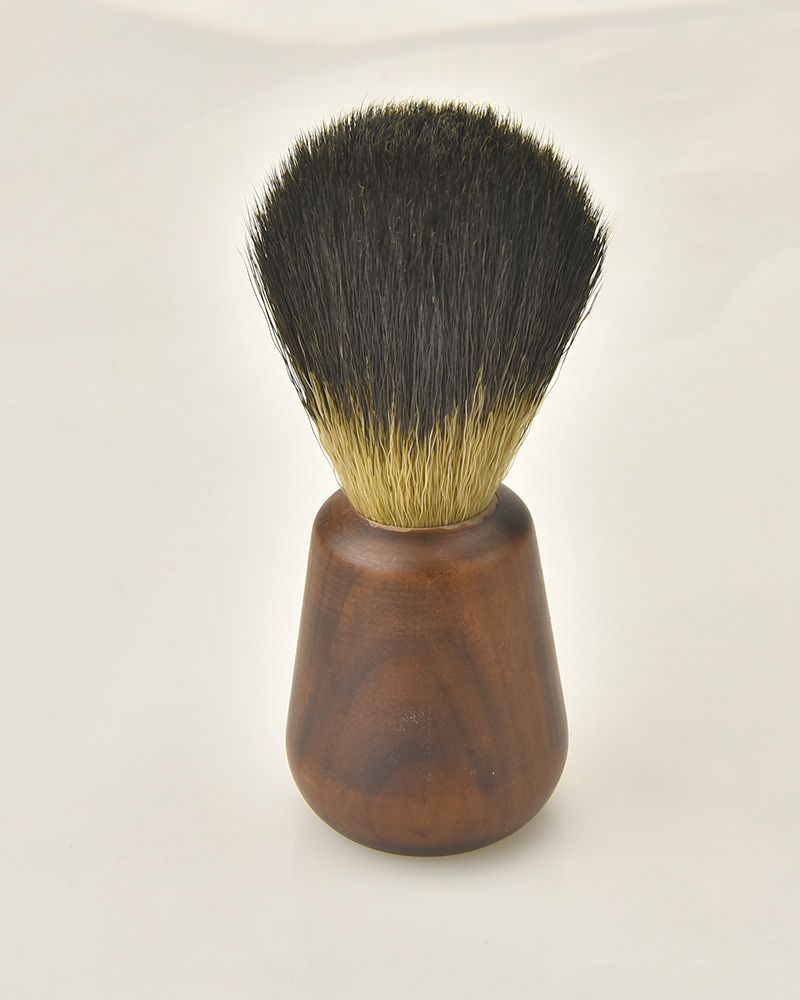
وعبر المحيط الأطلسي، تعالج إمبريال كوليدج لندن مسألة الاستدامة بشكل مباشر. قام مختبر البروفيسور جيمس ويلسون بتطوير خيوط اصطناعية ذات أساس حيوي باستخدام البوليمرات المشتقة من الطحالب. على عكس المواد البلاستيكية القائمة على البترول، تتحلل هذه الخيوط بيولوجيًا في البيئات البحرية خلال 18 شهرًا مع الحفاظ على قوة شد مماثلة للنايلون. يلاحظ ويلسون: "كان الإنجاز الرئيسي هو مزج بروتينات الطحالب مع نسبة صغيرة من البوليستر النباتي". "هذا الهيكل الهجين يقاوم امتصاص الماء - وهو أمر حيوي بالنسبة للفرش التي تحتاج إلى الاحتفاظ بالرغوة - بينما يتحلل بشكل طبيعي عند التخلص منه." أظهرت الاختبارات المبكرة التي أجريت على العلامات التجارية الفاخرة للحلاقة أن الشعيرات القائمة على الطحالب تتفوق على الخيارات التقليدية في الاحتفاظ بالرغوة بنسبة 15%.
Closer to home, Tsinghua University’s Department of Chemical Engineering is leveraging AI to optimize bristle design. Using machine learning algorithms, researchers analyzed over 10,000 bristle configurations—varying in diameter, taper, and surface texture—to identify the ideal structure for剃须 brushes. The result? A "gradient-tapered" filament that combines the softness of natural badger hair with the durability of synthetic materials. "AI allowed us to simulate how bristle shape affects lather distribution and skin feel," says lead researcher Dr. Li Wei. "Traditional trial-and-error methods would have taken years; we achieved it in six months."
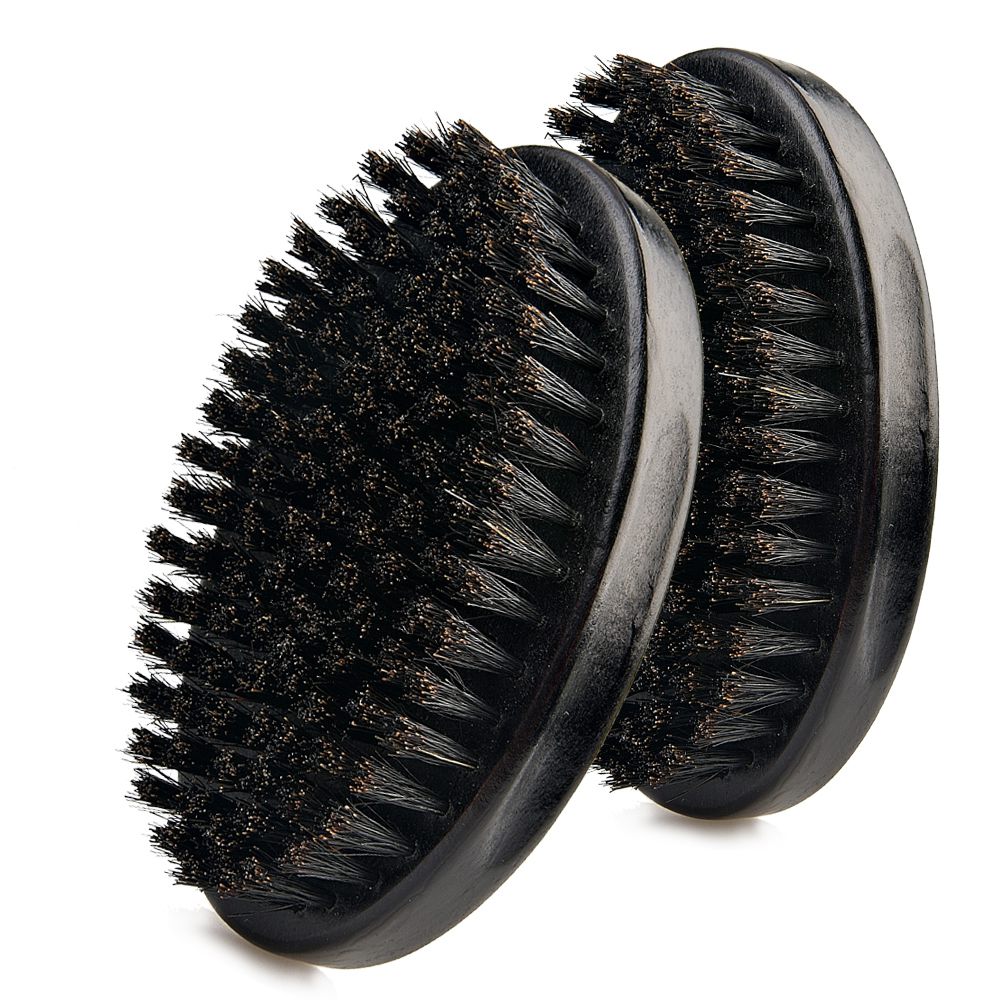
تعالج هذه الابتكارات تحديات الصناعة الملحة. بالنسبة للمصنعين، توفر خيوط الجيل التالي طريقًا للوفاء بلوائح الاتحاد الأوروبي الصارمة بشأن المواد البلاستيكية ذات الاستخدام الواحد وطلبات المستهلكين للمنتجات الصديقة للبيئة. بالنسبة للمستخدمين النهائيين، تترجم النعومة المحسنة والخصائص المضادة للبكتيريا والاستدامة إلى تجارب مستخدم أفضل. وكما يقول الدكتور مارشينكو: "لم تعد الشعيرات الاصطناعية مجرد بديل رخيص للألياف الطبيعية. لقد أصبحت المعيار الذهبي، وذلك بفضل الأبحاث الجامعية التي تجاوزت حدود علم المواد".
Looking ahead, collaboration between academia and industry will be key. Several universities, including MIT and Imperial College, have already partnered with leading brush manufacturers to scale production. "The next five years will see these lab innovations hit store shelves," predicts Wilson. "Consumers will soon choose between biodegradable algae-based剃须 brushes and AI-optimized cleansing tools—options that were unthinkable a decade ago." For the synthetic bristle industry, the future is not just about replacing natural fibers, but reimagining what filaments can achieve.


